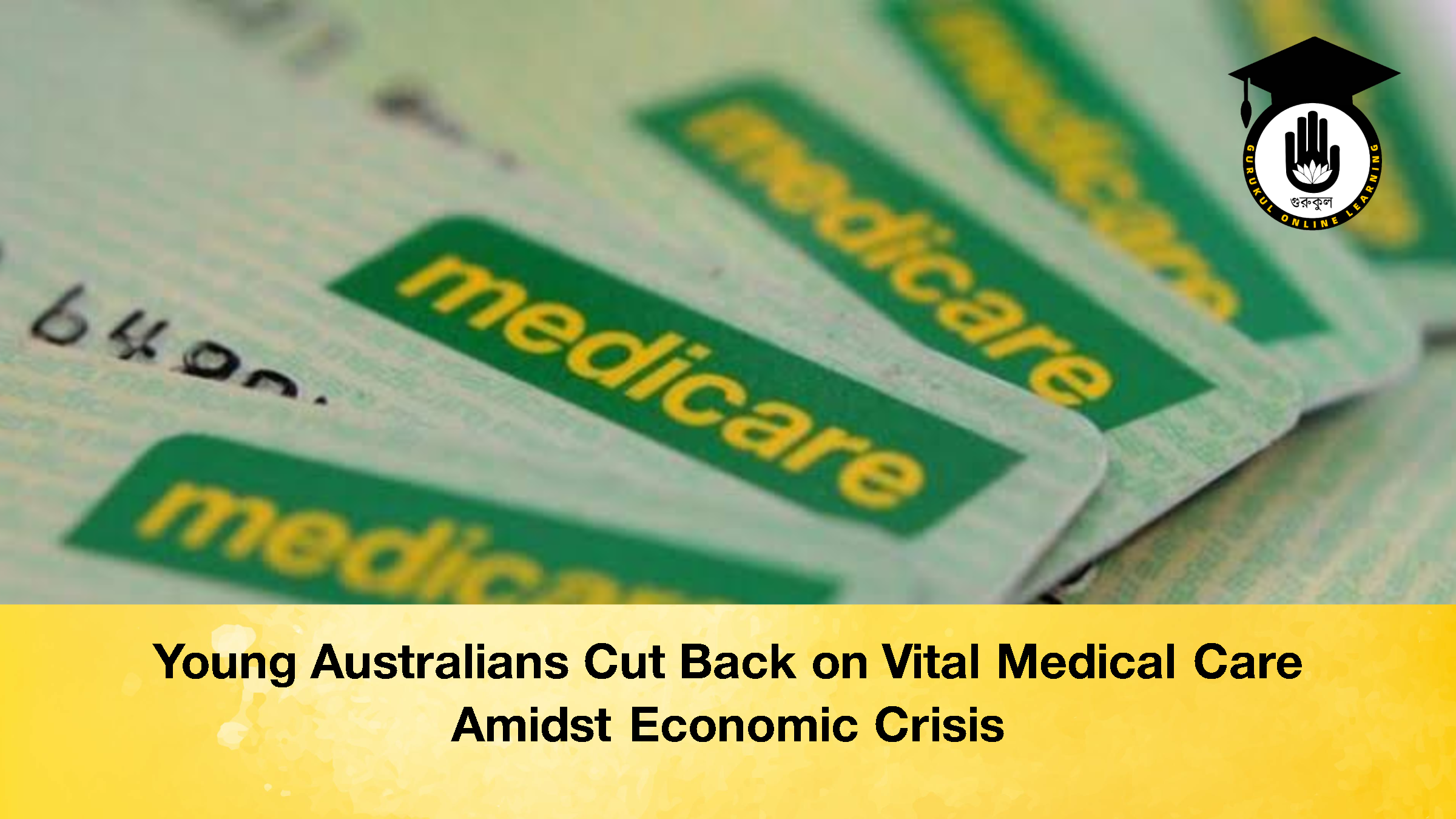
A profound generational divide has crystallised across Australia as relentless cost-of-living pressures compel younger citizens to compromise on basic healthcare and long-term financial security. According to a comprehensive nationwide study, nearly half of all Millennials have postponed vital medical appointments over the past year due to severe financial strain.
These troubling trends form the analytical core of the inaugural Resilient Futures Report and Risk Index, commissioned by the Insurance Australia Group (IAG). By surveying 2,400 participants nationwide to establish a definitive benchmark for public confidence and risk exposure, the research reveals that modern macroeconomic headwinds are falling disproportionately on the country’s younger demographics.
The Financial Balancing Act of Gen Z and Millennials
While younger Australians—specifically Generation Z and Millennials—paradoxically express higher levels of long-term optimism than older demographics, they face substantially greater financial precarity. Lacking the substantial asset cushions built by previous generations, younger people are deploying drastic survival strategies to navigate the current climate.
To cope with escalating expenses, 47.7 per cent of Millennials admit to delaying medical consultations, therapy sessions, and essential dental check-ups. Furthermore, 45.5 per cent of this same demographic report a growing reliance on personal debt, using credit cards, overdrafts, or buy-now-pay-later services to bridge monthly shortfalls for basic daily necessities.
Generation Z, consisting of those entering the workforce or in the early stages of their careers, are instead sacrificing their personal time. A striking 60.5 per cent of Gen Z respondents revealed they have taken on additional paid hours or secondary side hustles simply to supplement their primary incomes.
In stark contrast, older Australians appear far better insulated from these immediate economic shocks. Baby Boomers expressed the lowest levels of general optimism at just 46.1 per cent, trailing well behind the national average of 56.7 per cent. However, despite their downcast outlook, Boomers are vastly more likely to possess robust personal savings and have taken proactive, protective measures to shield their households from unexpected disruptions.
Widespread Disruption Across Households and Businesses
The IAG research underscores that this systemic strain extends far beyond individuals. A significant 67 per cent of all consumers and 64 per cent of small-to-medium enterprises (SMEs) reported experiencing major operational or domestic disruptions over the past twelve months.
Yet, long-term resilience remains remarkably stable. Despite navigating a challenging climate defined by sticky inflation and high interest rates, 58 per cent of consumers and 72 per cent of SMEs maintain a positive outlook on the economic trajectory of the country.
| Demographic / Entity | Key Statistic Group | Specific Data Point | Detail / Impact |
| Millennials | Healthcare Postponement | 47.7% | Delayed medical appointments due to rising expenses |
| Millennials | Debt Reliance | 45.5% | Dependent on borrowing to manage escalating daily costs |
| Generation Z | Secondary Employment | 60.5% | Took on extra paid work or side hustles to survive |
| Baby Boomers | National Optimism | 46.1% | Expressed lower optimism compared to the 56.7% average |
| All Consumers | Economic Disruption | 67.0% | Experienced significant personal disruption over the year |
| All Consumers | National Future Outlook | 58.0% | Retain a positive outlook on the nation’s trajectory |
| SMEs | Business Disruption | 64.0% | Suffered substantial operational disruption in the past year |
| SMEs | National Future Outlook | 72.0% | Maintain a confident view of Australia’s economic future |
| Small Businesses | Climate-Related Risk | 48.0% | Impacted by extreme weather and climate disruption |
| National Average | Public Confidence | 56.7% | Baseline percentage of Australians optimistic about the future |
Climate Realities and Preparedness Gaps
Beyond immediate fiscal concerns, the index identifies extreme weather as a severe threat to commercial viability. Nearly half—48 per cent—of all small businesses surveyed reported direct impacts from climate-related incidents over the last year. Sudden flooding, bushfires, and unpredictable seasonal cycles are increasingly viewed as pressing logistical challenges directly affecting modern business continuity.
Alarmingly, the index uncovers dangerous vulnerabilities in corporate preparedness. Many businesses continue to operate without critical defensive safeguards, such as formal continuity plans, backup supply chain networks, or regular reviews of their insurance portfolios.
Commenting on the index, IAG Managing Director and Chief Executive Officer Nick Hawkins noted that a combination of domestic macroeconomic pressures and global conflicts is steadily eroding household savings and constraining retail spending. Hawkins warned that whilst public awareness of these shifting risks is remarkably high, actual personal preparedness and systemic confidence are failing to keep pace, leaving young Australians uniquely vulnerable to sudden economic shocks.